
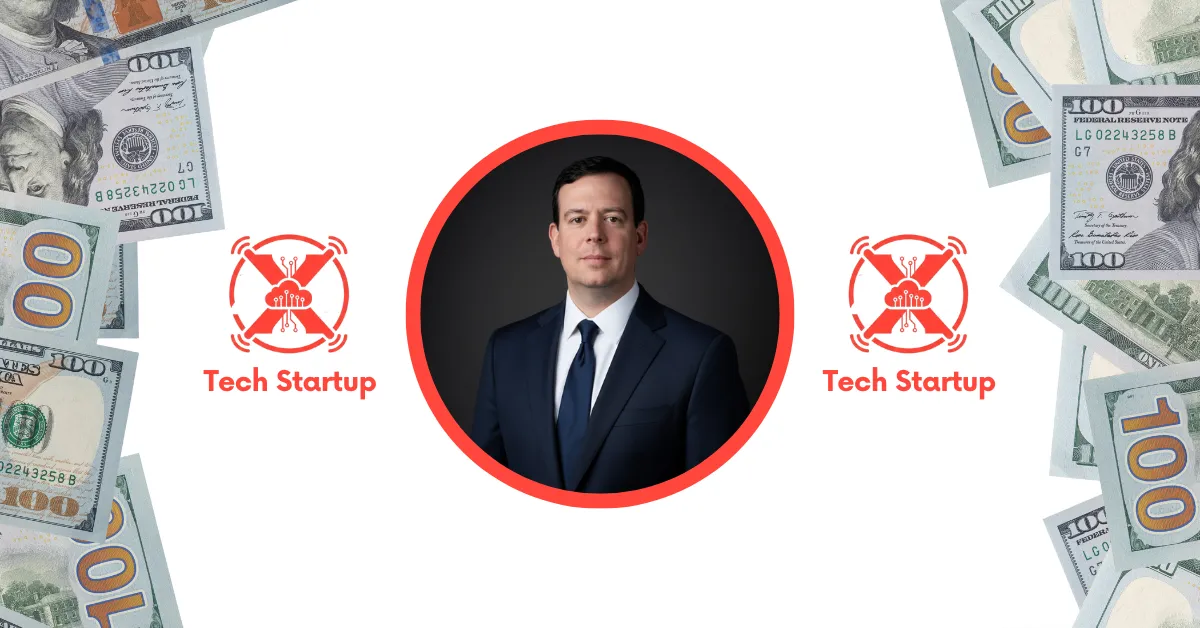
Brian Venturo: From Trading Carbon Credits to a $52 Million AI Fortune
Most tech billionaires have computer science degrees. Brian Venturo spent 11 years trading carbon credits and natural gas before stumbling into AI infrastructure through cryptocurrency mining. Now the 41-year-old Chief Strategy Officer of CoreWeave owns just 663,919 shares worth around $52 million as of January 16, 2026, after systematically selling hundreds of millions in stock.
His journey from environmental credit trader to tech executive proves you don’t need a Stanford degree to build in AI. You just need to see opportunities others miss and know when to cash out.
The Billion Dollar Peak That Didn’t Last
The math tells the whole story. In June 2025, when CoreWeave stock hit its peak at $183, Bloomberg estimated Venturo’s net worth at $6.4 billion. By today, January 16, 2026, CoreWeave trades around $98.75 and Venturo owns just 663,919 shares worth approximately $52 million based on his most recent SEC filings.
That’s not a typo. His publicly reported holdings dropped from billions to tens of millions in seven months. But here’s the twist: Venturo systematically sold massive amounts throughout late 2025, with his most recent sales happening just days ago on January 6-7, 2026, when he unloaded over 206,000 shares for roughly $16 million.
Between pre-IPO sales and his aggressive selling throughout 2025, Venturo likely pocketed $250 to $300 million in cash before taxes. That’s the behavior of someone who understands volatility and knows exactly when to lock in gains.
One GPU on a Pool Table
Venturo graduated from Haverford College around 2006 with an economics degree. He played lacrosse, wore jersey number 18, and learned to make split-second decisions under pressure. After graduation, he dove into commodity trading during a wild period when climate regulations were creating brand new markets.
From 2007 to 2012, Venturo worked as Portfolio Manager for Energy and Emissions at Natsource Asset Management, specializing in environmental markets where climate policy met finance. From 2013 to 2018, he co-founded Hudson Ridge Asset Management, a natural gas hedge fund applying quantitative approaches to energy trading.
Then fracking flooded the natural gas market. Prices collapsed. The fund closed in early 2018.
Instead of finding another trading gig, Venturo and partners Michael Intrator and Brannin McBee explored cryptocurrency mining. In 2017, they founded Atlantic Crypto Corp and started with literally one GPU on a pool table in a Wall Street office, mining Ethereum.
When the 2018 crypto crash hit, Venturo saw opportunity while everyone else panicked. As Ethereum prices collapsed from $1,400 to $80, he aggressively bought distressed GPUs at fire-sale prices. By early 2019, Atlantic Crypto controlled thousands of GPUs purchased for pennies on the dollar.
The Pivot That Changed Everything
In 2019, facing Ethereum’s planned shift that would make GPU mining obsolete, Venturo had thousands of GPUs and no clear business model. They renamed the company CoreWeave and explored alternatives like visual effects rendering.
The breakthrough came through supporting EleutherAI, an open-source AI collective. CoreWeave offered free GPU access just to learn about AI workloads. That goodwill created a pipeline of paying customers right as ChatGPT sparked the AI boom in November 2022.
As CTO from 2017 to 2024, Venturo architected CoreWeave’s technical foundation. He designed data centers optimizing GPU density and cooling. He built infrastructure that won OpenAI as a customer. In 2022, he made the critical call to invest $100 million in Nvidia H100 pre-orders before ChatGPT even launched.
CoreWeave’s revenue jumped from $1.92 billion in 2024 to a projected $5.1 billion in 2025, with analysts expecting it to more than double again in 2026 to almost $12 billion.
The Systematic Cashout
In March 2024, Venturo transitioned from CTO to Chief Strategy Officer. The move positioned him for systematic stock sales. CoreWeave went public in March 2025 at a disappointing $40 per share, then exploded to $183 by June.
Venturo’s response? Sell, sell, sell.
Throughout late 2025, he executed massive transactions under pre-arranged trading plans. November sales alone totaled roughly $100 million. His most recent sales happened January 6-7, 2026, unloading over 206,000 shares across multiple transactions. Combined with pre-IPO sales exceeding $150 million, he’s monetized $250 to $300 million total.
That’s commodity trader discipline. When a position becomes concentrated and volatile, reduce exposure systematically to lock in gains.
The Reality Check
Today’s reality is stark. CoreWeave stock trades around $98.75 with a market cap of approximately $38.6 billion, down from its June peak of $187. Venturo’s publicly reported holdings of 663,919 shares are worth just $52 million.
Heavy insider selling by all three founders in early January, totaling roughly $34 million across 435,000 shares, raised eyebrows. Multiple law firms opened securities class-action investigations into CoreWeave. JPMorgan downgraded the stock citing execution concerns.
The stock is still up 125% since its IPO less than a year ago, but the volatility has been brutal. For Venturo, the systematic sales mean he’s already secured his fortune regardless of what happens next.
The Challenges Ahead
CoreWeave faces real problems. Customer concentration remains extreme, with Microsoft accounting for 62% of 2024 revenue. The company reported an $863 million loss in 2024 despite 737% revenue growth. Long-term debt surged to $18.4 billion from virtually nothing.
Competition intensifies as Amazon, Google, and Microsoft build their own AI infrastructure. If major customers shift to internal systems, CoreWeave faces existential risk.
As Chief Strategy Officer, Venturo must navigate these challenges through customer diversification and operational excellence. His trading background gives him unique perspective on capital intensity, resource allocation, and probabilistic thinking.
Life in New Jersey
Despite his fortune, Venturo maintains extreme privacy. He resides in Cedar Grove, New Jersey, a suburban township of 12,000 people, far from Silicon Valley glamour. His LinkedIn shows 500 plus connections but minimal posts. No information about family, hobbies, or philanthropy appears publicly beyond his Haverford lacrosse days.
At 41, he represents one of tech’s most unusual success stories. A Haverford economics grad who spent over a decade trading environmental credits and natural gas became CTO building AI infrastructure before transitioning to strategic leadership.
What the Numbers Really Mean
Let’s be clear about Venturo’s actual net worth today. His publicly reported CoreWeave holdings total 663,919 shares worth $52 million as of January 6, 2026. But that’s just what SEC filings show.
Between $250 to $300 million in stock sales since 2024, he likely has $140 to $180 million in liquid cash after taxes at roughly 40 to 45% combined federal and state rates. Add real estate, diversified investments, and potential indirect holdings through West Clay Capital LLC, and his actual net worth probably sits between $200 to $250 million today.
That’s a far cry from the $6.4 billion Bloomberg reported at CoreWeave’s June peak, but it’s still a massive fortune for someone who started with one GPU on a pool table in 2017.
The Takeaway
Brian Venturo’s story teaches three critical lessons. First, commodity trading skills like understanding capital intensity, managing supply chains, and thinking probabilistically proved more valuable for AI infrastructure than traditional software engineering.
Second, technical curiosity matters. Many traders lack genuine interest in technology. Venturo spent seven years as CTO mastering GPU architecture, data center design, and Kubernetes orchestration. His credibility stems from technical depth, not just financial acumen.
Third, systematic risk management preserves wealth. His $250 plus million in stock sales since IPO reflects trader discipline. When concentration is extreme and volatility high, reduce exposure methodically.
Some analysts predict CoreWeave stock could double in 2026 if the company executes its growth plans. Others worry about execution challenges and competitive pressure. For Venturo, the debate matters less now. He’s already converted concentrated equity into diversified wealth.
The former environmental credit trader who started with one GPU on a pool table built AI infrastructure that powers ChatGPT and won billion-dollar contracts from OpenAI and Microsoft. Whether CoreWeave stock hits $200 or crashes to $40, Venturo has already secured his fortune by knowing exactly when to sell.